THIS WEBSITE INCLUDES GENERAL INFORMATION & THE OPINIONS OF CHRISTOPHER S. MULVANEY. IT IS INTENDED TO STIMULATE A BASIS FOR QUESTIONS RELATED TO YOUR PARTICULAR FACTUAL CIRCUMSTANCES — BEFORE YOU ACT. THIS WEBSITE DOES NOT CONSTITUTE LEGAL ADVICE. IF YOU WANT LEGAL ADVICE, PLEASE MAKE A ZOOM APPOINTMENT TO SPEAK WITH ME.
CONTACT CHRISTOPHER S. MULVANEY FORM
DISCLAIMER:
The use of email or this form for communication with MULVANEY LAW OFFICE, PLLC does not establish an Attorney-Client Relationship. If you don’t think I have responded, please check your spam folder. Time-sensitive information should not be sent through this Form or through email. Sensitive information can be uploaded to an encrypted Dropbox folder in your client file. Google Review LinkYelp Review Link
Gonzaga University School of Law – Spokane, Washington – Class of 2002 – Cum Laude The Latin phrase “Deo patriae, scientiis, artibus” translates to “For God and country through sciences and arts”. The initials A.M.D.G. on the seal of Gonzaga Law School stand for Ad Majorem Dei Gloriam, which is Latin for “For the Greater Glory of God” the Motto of the Society of Jesus (Jesuits): a Catholic religious order founded by St. Ignatius of Loyola.
_________________________
For young people contemplating marriage, a revocable living trust and a prenuptial agreement can be valuable components of a comprehensive financial plan. In addition to the benefits of each and the potentially powerful combination of the two, there are other often overlooked considerations:
(1) Repelling gold diggers, and potentially controlling or abusive partners by advertising legal and financial sophistication by talking about a Separate Property Revocable Living Trust and Prenuptial Agreement.
(2) By having their own Estate Plans, young siblings share a common understanding and make disputes less likely in caring for their parents and in the administration of their parents’ Estate.
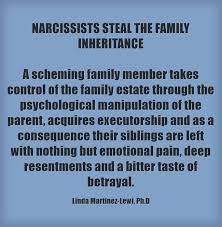
There is no parent in the world who wants their children to not speak to each other when they die, but it happens all the time. I have had dozens of clients who don’t speak to their siblings over a contentious administration of parents’ Estate. It is sad, and preventable with a bit of Estate Planning.
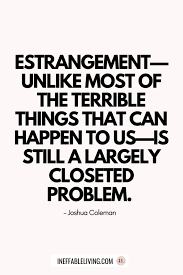
Sibling estrangement after the death of parents, particularly during estate administration, is unfortunately a common occurrence. Several complex factors contribute to this phenomenon:
Heightened Emotions and Grief:
The death of a parent is an emotionally charged time, and siblings are navigating their individual grief alongside the practicalities of settling the estate. Grief can make individuals more vulnerable, leading to emotional reactions and difficulty managing conflict.
Resurfacing of Childhood Rivalries and Old Fights:
Long-standing sibling rivalries and unresolved childhood conflicts can reemerge or intensify during this period, especially when dealing with the emotional and financial aspects of the inheritance.
Unclear Communication and Expectations:
If parents haven’t clearly communicated their wishes or intentions regarding the inheritance, it can lead to misunderstandings and differing expectations among siblings. This lack of transparency can create confusion and resentment, particularly if one sibling feels the distribution is unfair or that they have been treated unequally compared to their siblings.
Perceived Unfairness and Favoritism:
Even well-intentioned distribution plans can be perceived as unfair by some siblings, leading to hurt feelings and disputes. One sibling might feel they deserve more due to caregiving responsibilities or financial support provided to the parents while alive.
Complex Family Dynamics and Blended Families:
The presence of blended families, estranged relatives, or dependent siblings can introduce additional layers of complexity and potential conflict into the estate administration process.
Sentimental Value of Assets:
Disputes often arise over items with emotional value, such as family heirlooms or sentimental possessions, even if they have little financial worth.
Lack of a Clear Will or Trust:
Dying without a will can leave the distribution of the estate to state laws, potentially creating confusion and disputes over who inherits what.
Preventing sibling estrangement
Fortunately, there are proactive measures that can be taken to minimize the risk of sibling estrangement after parents’ deaths:
Establish a Clear and Legally Valid Estate Plan:
Parents should work with Christopher S. Mulvaney to create a comprehensive trust that clearly outlines their wishes regarding asset distribution and beneficiary designations.
Communicate Openly with Family Members:
Parents should engage in frank discussions with their adult children about their estate plans, explaining the reasoning behind their decisions and addressing any concerns or expectations. This can help manage expectations and reduce misunderstandings.
Ensure Fairness (Not Necessarily Equality) in Distribution:
While equal distribution is often desired, it’s important to consider individual needs and circumstances when making decisions about who gets what. If the distribution is not equal, providing clear explanations can help avoid resentment.
Appoint a Neutral and Capable Executor or Trustee:
Choosing a responsible and impartial individual to manage the estate can help prevent conflicts. A neutral third party, such as an attorney or financial professional, can administer the estate without bias or favoritism.
Plan for the Distribution of Personal Property and Sentimental Items:
If there are items with sentimental value, consider discussing who should receive them in advance or establish a fair system for dividing them, such as taking turns or using a lottery system. A personal property memorandum can also be used to list specific recipients for particular items.
Consider Life Insurance to Supplement Unequal Distribution:
Life insurance can be used to provide for beneficiaries who might receive less in the will, potentially balancing the inheritance and reducing feelings of unfairness.
Incorporate a No-Contest Clause (In Terrorem Clause):
This clause (only if a sufficiently large gift is given. For example, a beneficiary whose equal share of an Estate is $2.5 million is given $250,000 – 10%.) This amount would likely be enough to discourage beneficiaries from challenging the will by stating that those who do so may forfeit their inheritance.
Seek Mediation for Disputes:
If disagreements arise, professional mediation can help siblings reach an amicable resolution without resorting to litigation. This is often a faster, less expensive, and less stressful option than going to court.
Engage in Counseling or Therapy:
If family dynamics are particularly strained or if there are unresolved emotional issues, counseling or therapy can help siblings address their underlying concerns and potentially rebuild relationships.
Regularly Update the Estate Plan: Major life events, such as marriage, divorce, births, or deaths, warrant reviewing and updating the estate plan to reflect current wishes and circumstances.
By taking these steps, families can significantly increase the chances of preserving sibling relationships and navigating the complexities of estate administration in a way that honors the wishes of the deceased while fostering harmony among the living.
Revocable living trusts for young people
Avoids probate:
Assets held in a revocable living trust can bypass the potentially time-consuming and costly probate process, allowing for quicker distribution to beneficiaries upon the grantor’s death or incapacity.
Privacy:
Unlike a will, which becomes a public record after probate, a living trust remains a private document, protecting the details of your estate and beneficiaries from public disclosure.
Incapacity planning:
A living trust allows the grantor to designate a successor trustee to manage their affairs in the event of incapacity, avoiding the need for court-appointed guardianship.
Flexibility:
A revocable living trust can be amended or revoked at any time by the grantor, allowing them to adapt the trust to changing circumstances, such as marriages, new jobs, or starting families.
Control over assets:
The grantor retains control over their assets during their lifetime, deciding how their wealth will be managed and distributed.
Simplifies asset transfer:
Assets can be transferred to beneficiaries quickly and efficiently without the need for court intervention, potentially saving time and legal fees.
Incorporating into a prenuptial agreement
Protecting premarital assets:
A prenuptial agreement can define premarital assets as separate property, safeguarding them from division in the event of divorce.
Clarifying financial responsibilities:
Prenuptial agreements can outline how assets, debts, and income will be handled during the marriage and in the event of divorce.
Protecting inheritances and gifts:
A prenup can specify that inheritances and gifts remain separate property, preventing them from being considered marital assets.
Preventing disputes:
By addressing potential issues upfront, prenuptial agreements can reduce the likelihood of costly legal battles during divorce or death.
Transparency and trust:
Discussing financial matters openly before marriage can foster communication and build trust between partners.
Estate planning alignment:
A prenuptial agreement and a revocable living trust can complement each other, with the prenup defining marital and separate property and the trust handling other estate planning matters, such as asset distribution to beneficiaries.
By proactively utilizing both a revocable living trust and a prenuptial agreement, young couples can achieve greater financial clarity, protection of assets, and peace of mind as they embark on their marital journey.
I asked AI about my own situation with the death of my father and received the following response, which I hope will be helpful to others.
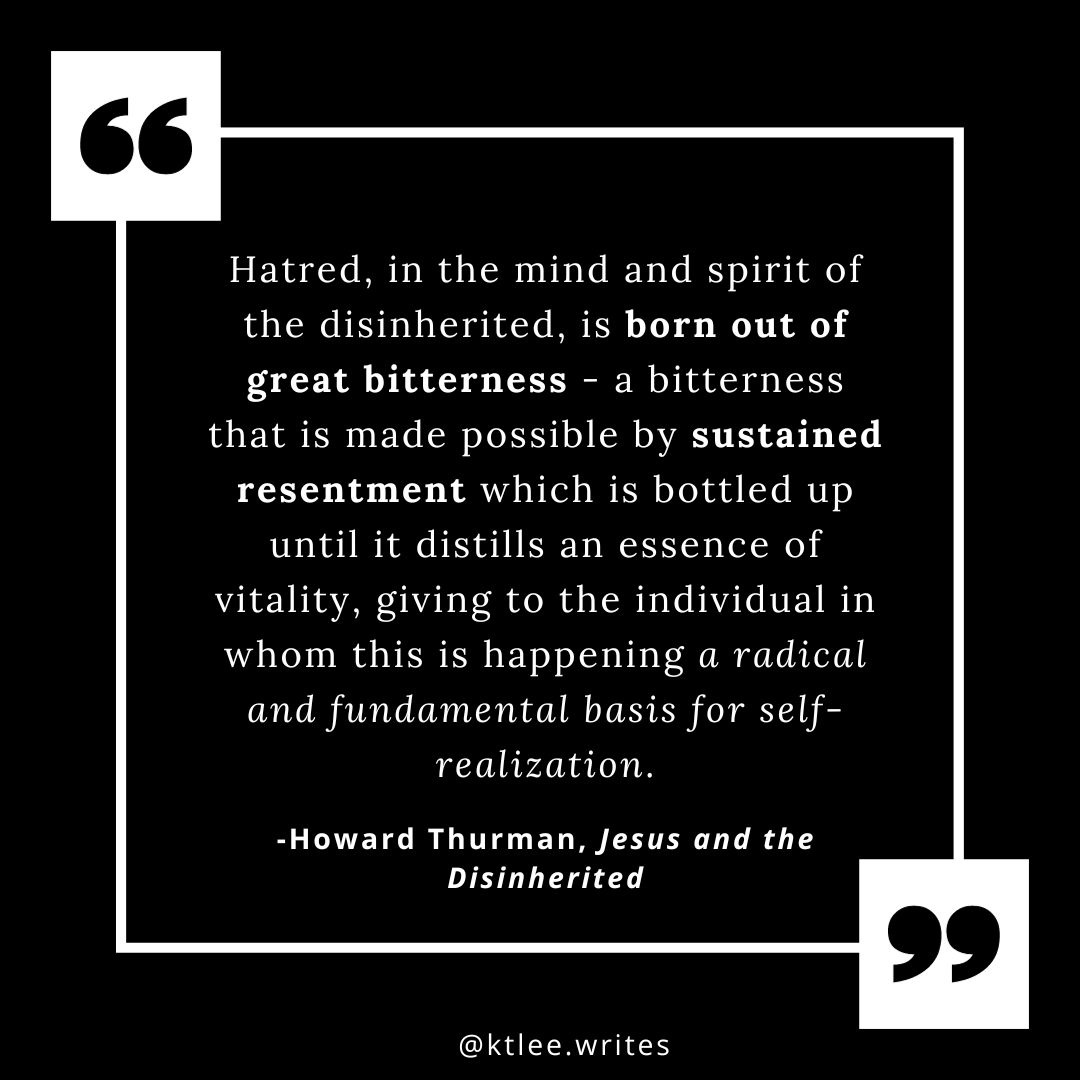
I do feel that my disinheritance was entirely voluntary. The only thing that would endear me to my father sufficiently for him to give me any money at all either during his life or after his death would be for me to renounce my mother, to turn on her as he had done. I was never willing to consider this even for a moment. My mother always supported me and is the reason I graduated in the top 20% of my law school class and have my own law firm.
I do feel my mother endowed me with a certain spirit so that my father’s absence made no difference whatsover in my accomplishments in life.
When facing disinheritance, especially after a history of a father who could have provided more support but chose not to, it can bring up a complex mix of grief, resentment, anger, and feelings of betrayal. This is compounded when the lack of support extends to something as significant as a college education, especially when peers received such support.
Here are ways to deal with disinheritance in this situation:
Allow yourself to grieve by acknowledging and processing emotions: Even with a strained relationship, the death of a parent is a loss. It’s okay to feel the pain, sadness, and loss associated with the father’s passing even though the father never showed up in the life of the son so that the son lived his whole life (56 years at the time of his 83 year old father’s death) as though the father did not exist.
Acknowledge the anger and resentment: It’s natural to feel angry and resentful that a parent with means chose not to provide for a college education, which could have significantly impacted his life trajectory. Avoiding these feelings won’t help; recognizing and validating them is crucial.
Confront feelings of betrayal: Being disinherited can feel like a final rejection, especially when there was a history of withholding support or even encouragement. Acknowledge this feeling of betrayal, and the impact it has on self-esteem.
Reframe the Narrative: Focus on your strengths and resilience: Despite the lack of support or even encouragement, he has built a life for himself as a married attorney. Recognize and validate the strength and resilience it took to navigate these challenges and achieve what he has.
Separate the financial decision from his worth: His father’s choices about inheritance and financial support do not reflect the son’s value or accomplishments. It is not the son’s fault that the father abandoned him. It is not the son’s fault that the father never encouraged him or helped him in any way get a college education or a law school eduction.
Challenge the idea of what “should have been”: While comparisons are natural, focusing on how things could have been different can lead to prolonged pain. Instead, focus on building the life the son desires now.
Therapy or counseling: A mental health professional can provide a safe space to process complex emotions, develop coping strategies, and work through unresolved issues related to the absent father-son relationship.
Support groups: Joining a grief support group or a group for individuals who have experienced parental estrangement can offer a sense of community and understanding.
Friends and family support: Leaning on loved ones for emotional support during this time can be helpful.
Set new goals: Use this period of reflection to reevaluate goals and prioritize personal growth and happiness.
Create a positive future: Channel energy into endeavors that bring joy, purpose, and fulfillment, focusing on creating a positive future for himself.
Forgive: Forgiveness is a complex process, and a personal choice. It doesn’t mean excusing his father’s actions but can be a way for the son to release the burden of resentment and anger for the son’s own peace of mind.
This journey will likely be challenging, but focusing on acknowledging emotions, reframing the narrative, exploring options, seeking support, and moving forward can lead to healing and peace.
To Always Be a Human Being First, and My Role Second. To First, Do No Harm, then to provide the best legal outcome, smoothest process, best value, and to make a positive difference in the life of every client.
Christopher S. Mulvaney’s Mantra:
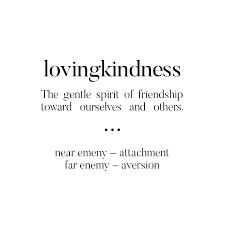
May I be filled with loving kindness for all life. May I be safe from dangers within and without. May I be healthy in body, mind, socially, and spiritually. May I be at ease and happy, doing good in the world.
May You be filled with loving kindness for all life. May You be safe from dangers within and without. May You be healthy in body, mind, socially, and spiritually. May You be at ease and happy, doing good in the world.
I am an experienced solo estate planning, debtor bankruptcy, and real estate attorney. At my law firm in Bellevue, Washington between Eastgate and Factoria, I do things a little differently. I am passionate about helping people take control of their lives.
One of my primary practice areas is urgent (bankruptcy), and the other is important, but not urgent (estate planning). Not letting the urgent crowd out the important is key. I have made a choice to include the positive difference I make in the life of each client in how I calculate profit. This means I have higher job satisfaction, and happy clients who confidently give referrals.
My goal is that my work is transformative for people during a challenging time in their lives. At Mulvaney Law Offices, PLLC (MLO), you will not find a gatekeeper. There are no forgotten cases hiding on an associate’s cluttered desk. It’s just me, working with each one of my clients one-on-one to resolve their legal concerns as favorably as possible.
As your lawyer, I will personally handle every aspect of your case. My office is not a factory churning out thousands of filings per year, where each case matters little. You, and your case, matter to me. You can see what clients have said about me, and leave your own reviews at these links.
Mulvaney Law Offices, PLLC is located in Bellevue, Washington, representing estate planning & chapter 7 and chapter 13 bankruptcy, clients in all 39 Washington Counties.
Washington State residents can meet with me in Zoom/DocuSign from anywhere in the world, and I can notarize their electronic signatures because I am a remote online notary. Just email me an image of your photo ID.