THIS WEBSITE INCLUDES GENERAL INFORMATION & THE OPINIONS OF CHRISTOPHER S. MULVANEY. IT IS INTENDED TO STIMULATE A BASIS FOR QUESTIONS RELATED TO YOUR PARTICULAR FACTUAL CIRCUMSTANCES — BEFORE YOU ACT. THIS WEBSITE DOES NOT CONSTITUTE LEGAL ADVICE. IF YOU WANT LEGAL ADVICE, PLEASE MAKE A ZOOM APPOINTMENT TO SPEAK WITH ME.
CONTACT CHRISTOPHER S. MULVANEY FORM
DISCLAIMER:
The use of email or this form for communication with MULVANEY LAW OFFICE, PLLC does not establish an Attorney-Client Relationship. If you don’t think I have responded, please check your spam folder. Time-sensitive information should not be sent through this Form or through email. Sensitive information can be uploaded to an encrypted Dropbox folder in your client file. Google Review LinkYelp Review Link
Gonzaga University School of Law – Spokane, Washington – Class of 2002 – Cum Laude The Latin phrase “Deo patriae, scientiis, artibus” translates to “For God and country through sciences and arts”. The initials A.M.D.G. on the seal of Gonzaga Law School stand for Ad Majorem Dei Gloriam, which is Latin for “For the Greater Glory of God” the Motto of the Society of Jesus (Jesuits): a Catholic religious order founded by St. Ignatius of Loyola.
_________________________
“The first thing we do, let’s kill all the lawyers.” (Dick the Butcher to Jack Cade in Henry VI, Part 2 (1592) act 4, sc. 2. – Shakespeare’s misquoted implication that lawyers stand in the way of tyranny.) – W. Shakespeare (1564-1616)
“I shall not rest until every German sees that it is a shameful thing to be a lawyer.” -Adolph Hitler
SCAMS RELATED TO PRACTICE AREAS – Death, Debt, & Real Estate
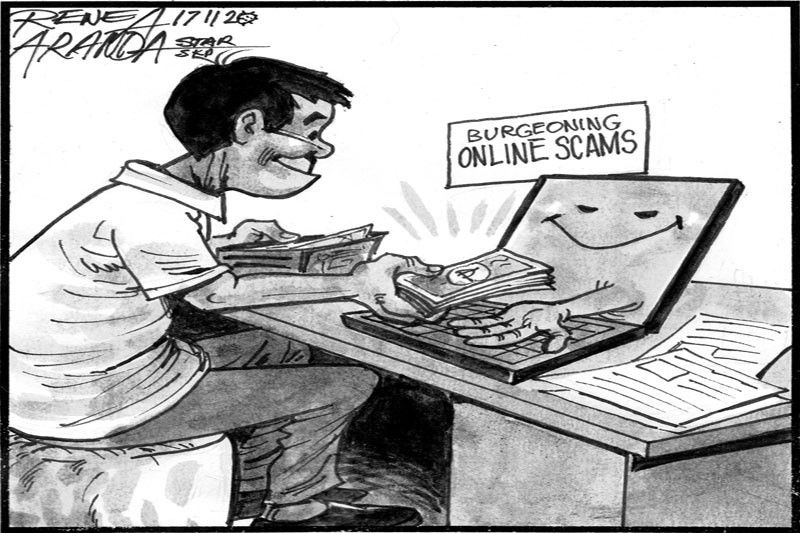
The range of scams is broad and requires vigilance to protect oneself. I have chosen to emphasize scams related to my three main practice areas of debt, death, and real estate.
Scams related to death, debt, and real estate have a long and varied history, adapting over time to exploit new technologies and vulnerabilities. Here’s a summary of their evolution:
1. Death-Related Scams:
Early Forms: Death-related scams have been around for ages, often involving individuals impersonating funeral home personnel to get cash from grieving families. This type of scheme, while common in the past, became less lucrative and popular around 2010.
Modern Adaptations: The internet has created new opportunities for scammers. Hoax obituaries and fake livestreamed funeral services are examples of how fraudsters exploit technology and emotional vulnerability for personal gain.
Estate and Probate Scams: These target grieving families with fake debt collection calls, often after scanning obituaries and public records. Scammers may claim the deceased owed them money, when in fact, the estate is responsible for settling debts, not individual family members. Other estate scams involve official-looking letters claiming families need to pay for new property deeds or title documents.
2. Debt-Related Scams:
Traditional Methods: Fraudulent debt collectors have long used high-pressure tactics to intimidate individuals into paying fake or non-existent debts.
Debt Relief Scams: These target individuals with significant debt, falsely promising to negotiate with creditors or remove negative information from credit reports for upfront fees. These scams often prey on vulnerable populations, like those seeking debt relief during difficult economic times. Debt relief scams are a common fraud that can cause financial distress, according to Citizens Bank.
Digital Age: Fake debt collectors now operate through phone, text messages, mail, or email, often demanding payments via untraceable methods like gift cards or wire transfers.
3. Real Estate Scams:
Historical Examples:
Selling the Brooklyn Bridge: Infamous con artists like George C. Parker repeatedly “sold” landmarks like the Brooklyn Bridge and the Statue of Liberty using convincing forged documents.
Swampland in Florida: Scammers, including Charles Ponzi, made millions selling worthless swampland, often using aggressive sales tactics and misleading buyers about future development.
The 1925 Florida Land Boom and Bust: Speculators drove prices to unsustainable levels, leading to a market crash that devastated investors.
Modern Real Estate Scams:
Loan flipping and predatory lending: Unscrupulous lenders target borrowers with misleading information and unfavorable contracts.
Title or escrow wire fraud: Scammers intercept payments during the closing process by impersonating parties involved in the transaction.
Fake owners: Fraudsters list properties they don’t own and demand upfront deposits from interested buyers.
Online rental scams: These have increased significantly, with scammers luring potential renters into providing personal information or paying deposits for non-existent properties.
Data from the FBI: In 2024, real estate fraud resulted in losses of over $173 million, according to the FBI.
Key Takeaways:
Adaptation: Scammers have consistently adapted their tactics to exploit technological advancements and economic conditions.
Vulnerability: Scams often target vulnerable populations, such as the elderly, grieving families, or those in financial distress.
Importance of Awareness: Staying informed about common scam tactics is essential for protecting yourself and your loved ones from financial fraud.
By understanding the historical context and evolution of these scams, individuals can be more vigilant and protect themselves from falling victim to them.
Ponzi Schemes
The most famous scam is the Ponzi or the closely related Pyramid Scheme. The concept is that “investors” are paid with new “investors” money because there is no investment and no returns. Consistently high returns with little risk, and difficulty getting proper paperwork and payments are hallmarks of the fraud. One of the biggest schemes was perpetrated by Bernie Madoff.
There are many resources for information about scams.
In 2025, real estate scams remain a significant threat, with fraudsters employing increasingly sophisticated tactics. While specific perpetrators are often difficult to identify definitively, the scams themselves frequently involve impersonation and deception during various stages of a real estate transaction.
Most Prevalent Real Estate Scams:
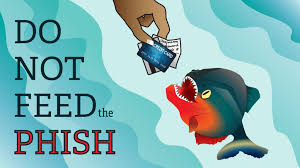
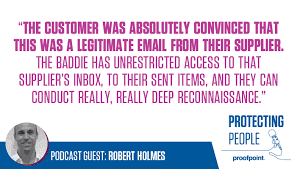
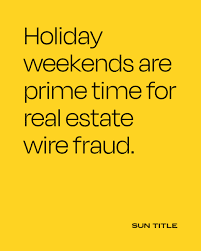
Wire Fraud: This remains one of the most dangerous and costly scams. Scammers intercept wire transfer instructions, often by hacking email accounts, and provide false account details, tricking individuals into sending large sums of money, such as down payments or closing costs, to fraudulent accounts.
Fake Listings and Rental Scams: Fraudsters create fake listings for properties they don’t own or control, often using appealing photos and low prices to lure in victims. They may request upfront payments before the victim can even see the property in person.
Foreclosure Relief Scams: These scams target homeowners struggling with mortgage payments. Scammers falsely promise assistance with avoiding foreclosure or modifying loans, typically demanding upfront fees for services they never deliver.
Deed and Title Theft: Criminals forge documents to transfer property ownership without the owner’s knowledge or consent, enabling them to take out loans against the property or even attempt to sell it. This scam often targets properties that are paid off, making the fraudulent transfer harder to detect.Fake Agents and Lenders: Scammers create fictitious profiles and websites, posing as legitimate real estate agents or lenders, especially in the context of remote transactions. They may pressure victims into quick decisions or offer unrealistic deals.
AI-Generated Listing Scams: In 2025, scammers are increasingly using artificial intelligence to create highly realistic fake listings, including AI-generated photos and even chatbot “realtors,” making these scams more convincing.
Perpetrators:
While it’s difficult to pinpoint specific demographics of perpetrators, the scams often involve:
Cybercriminals: Many real estate scams, particularly wire fraud and deed theft, are driven by cybercriminals who infiltrate email accounts and exploit digital transaction processes.
Impersonators: Scammers often impersonate legitimate real estate professionals, such as agents, lenders, or title company representatives, to gain trust and deceive victims.
Somewhere deep in the lonely night, a newly-broke crypto bro shivers and nods in tearful agreement.
Organized Crime Rings: Some complex real estate scams may be perpetrated by organized crime rings that specialize in exploiting real estate transactions.
Individuals with Malicious Intent: The nature of some scams, like fake listings or foreclosure relief schemes, suggests that individuals or groups driven by greed and a willingness to take advantage of vulnerable people are often the perpetrators.
Protection:
Protecting yourself from real estate scams requires vigilance and a proactive approach. It is crucial to verify the identity of all parties involved in a transaction, double-check all information and documentation, and work with reputable and licensed professionals.
Major Cases and Arrests:
Zhong (2022): Zhong was arrested for orchestrating a scheme that involved stealing cryptocurrency and had real estate holdings connected.
Operation Stolen Dreams (2010): The FBI’s nationwide mortgage fraud takedown resulted in nearly 500 arrests, with estimated losses from various fraud schemes exceeding $2 billion.
Crisp & Cole Mortgage Fraud (2004-2007): David Crisp and Carl Cole orchestrated a $1.3 billion mortgage fraud scheme in California, leading to their eventual sentencing to prison.
TelexFree Ponzi Scheme (2014): TelexFree was a massive Ponzi scheme connected to fraudulent real estate dealings, scamming over $1 billion from investors.
Kenneth Mattson (2025): A Sonoma real estate developer was arrested for defrauding hundreds of investors out of tens of millions of dollars by falsely claiming legitimate real estate investments.
Kevin Feng Gao (2025): A real estate executive was charged in a $30 million bank fraud scheme related to a Manhattan real estate investment.
Focus on Wire Fraud:
Increasing Losses: Wire fraud in real estate transactions is a growing problem, with $145 million in reported losses in 2023, primarily due to business email compromise (BEC) schemes.
Median Loss: Victims of real estate wire fraud suffer a median financial loss exceeding $70,000, making it one of the most financially devastating forms of fraud.
Challenges in Measurement:
Underreporting: Not all instances of real estate wire fraud are reported, making it difficult to ascertain the full extent of the problem.
Focus on Criminal and Civil Actions: Official reporting and statistics on real estate fraud often focus on the financial impact of the scams and the legal actions taken, which can make it challenging to isolate the specific details of individual arrests.
These examples highlight the severity of real estate scams and the significant amounts of money involved. Numerous other cases exist with varying degrees of financial loss. Staying vigilant and informed is crucial to protect yourself from these types of scams.
There are many real estate related scams. I will focus on four.
Escrow Wire Fraud Scams
Foreclosure Scams
Refinance Scams
Reverse Mortgage Scams
Escrow Wire Fraud Scams
The number one way scammers operate is by telephone. If you are scammed report it to the FBI.
The Federal Trade Commission website has detailed mortgage relief scam information. Beware of any guarantees or anything that sounds too good to be true.
Mortgage related scams come in a variety of types. A common feature is irregularity with the paperwork, so check everything carefully.
Reverse Mortgage Scams
According to the FBI, reverse mortgage scams often target people over age 62 because that is the qualifying age for a reverse mortgage. Watch out for phony appraisals. Go to the HUD website to get information directly. The Federal Trade Commission has information to help you understand what you are doing before you sign anything. Nolo also has good information.
To Always Be a Human Being First, and My Role Second. To First, Do No Harm, then to provide the best legal outcome, smoothest process, best value, and to make a positive difference in the life of every client.
Christopher S. Mulvaney’s Mantra:
May I be filled with loving kindness for all life. May I be safe from dangers within and without. May I be healthy in body, mind, socially, and spiritually. May I be at ease and happy, doing good in the world.
May You be filled with loving kindness for all life. May You be safe from dangers within and without. May You be healthy in body, mind, socially, and spiritually. May You be at ease and happy, doing good in the world.
I am an experienced solo estate planning, debtor bankruptcy, and real estate attorney. At my law firm in Bellevue, Washington between Eastgate and Factoria, I do things a little differently. I am passionate about helping people take control of their lives.
One of my primary practice areas is urgent (bankruptcy), and the other is important, but not urgent (estate planning). Not letting the urgent crowd out the important is key. I have made a choice to include the positive difference I make in the life of each client in how I calculate profit. This means I have higher job satisfaction, and happy clients who confidently give referrals.
My goal is that my work is transformative for people during a challenging time in their lives. At Mulvaney Law Offices, PLLC (MLO), you will not find a gatekeeper. There are no forgotten cases hiding on an associate’s cluttered desk. It’s just me, working with each one of my clients one-on-one to resolve their legal concerns as favorably as possible.
As your lawyer, I will personally handle every aspect of your case. My office is not a factory churning out thousands of filings per year, where each case matters little. You, and your case, matter to me. You can see what clients have said about me, and leave your own reviews at these links.
Mulvaney Law Offices, PLLC is located in Bellevue, Washington, representing estate planning & chapter 7 and chapter 13 bankruptcy, clients in all 39 Washington Counties.
Washington State residents can meet with me in Zoom/DocuSign from anywhere in the world, and I can notarize their electronic signatures because I am a remote online notary. Just email me an image of your photo ID.