THIS WEBSITE INCLUDES GENERAL INFORMATION & THE OPINIONS OF CHRISTOPHER S. MULVANEY. IT IS INTENDED TO STIMULATE A BASIS FOR QUESTIONS RELATED TO YOUR PARTICULAR FACTUAL CIRCUMSTANCES — BEFORE YOU ACT. THIS WEBSITE DOES NOT CONSTITUTE LEGAL ADVICE. IF YOU WANT LEGAL ADVICE, PLEASE MAKE A ZOOM APPOINTMENT TO SPEAK WITH ME.
CONTACT CHRISTOPHER S. MULVANEY FORM
DISCLAIMER:
The use of email or this form for communication with MULVANEY LAW OFFICE, PLLC does not establish an Attorney-Client Relationship. If you don’t think I have responded, please check your spam folder. Time-sensitive information should not be sent through this Form or through email. Sensitive information can be uploaded to an encrypted Dropbox folder in your client file. Google Review LinkYelp Review Link
Gonzaga University School of Law – Spokane, Washington – Class of 2002 – Cum Laude The Latin phrase “Deo patriae, scientiis, artibus” translates to “For God and country through sciences and arts”. The initials A.M.D.G. on the seal of Gonzaga Law School stand for Ad Majorem Dei Gloriam, which is Latin for “For the Greater Glory of God” the Motto of the Society of Jesus (Jesuits): a Catholic religious order founded by St. Ignatius of Loyola.
_________________________
“If you want peace, work for justice” – Pope Paul VI
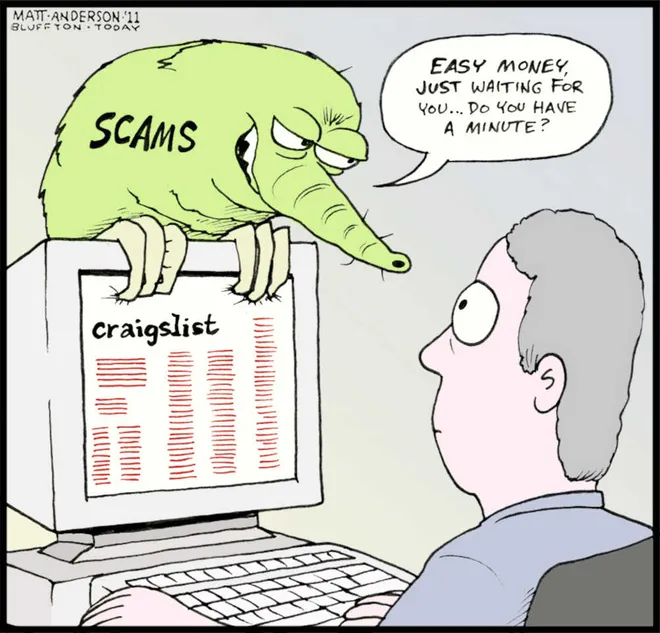
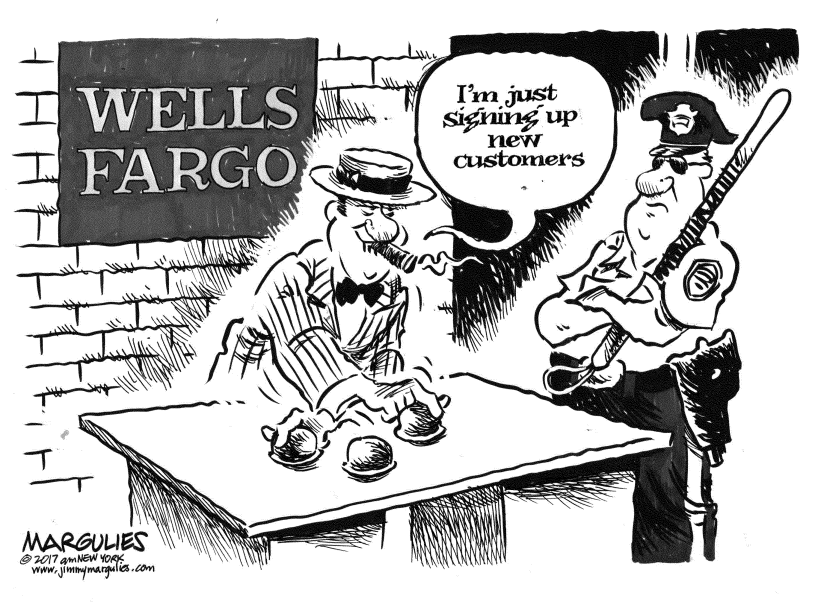
Prevalent Debt-Related Scams:
Imposter Scams: Scammers pose as government agencies (like the IRS or Social Security), businesses, or charities to gain trust and steal personal information and money.
Fake “Official” Programs: Fraudsters claim affiliation with government agencies to obtain personal information for debt assistance or settlement programs that don’t exist.
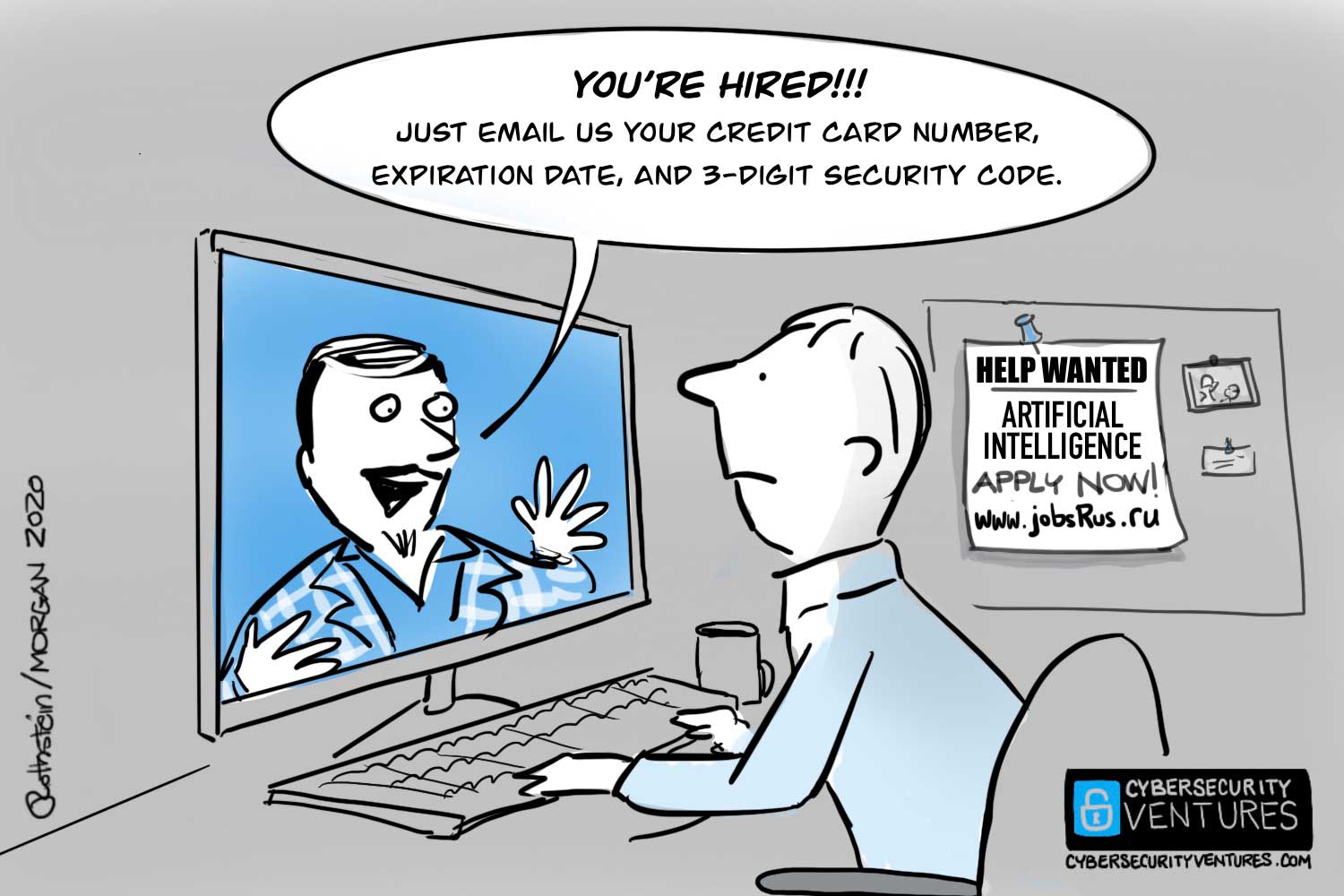
Faux Debt Relief Companies with Upfront Fees: Companies promise debt relief but demand upfront fees, which is a significant red flag and against regulations in the US. They take the money and disappear, creating more financial hardship.
False Claims of Debt Forgiveness: Scammers guarantee debt elimination or reduction, regardless of the individual’s situation. Legitimate agencies cannot make such guarantees as creditors have the final say.
High-Pressure Tactics & Limited-Time Offers: Scammers use urgency to push people into rushed decisions. Real solutions allow time for questions, review, and thoughtful consideration.
Fake Legal Tactics: Scammers claim that debt is illegal or unenforceable, often promoting false theories or secret documents to erase debt. This can lead to legal problems for the victim.
Phony Debt Collectors: Scammers threaten with lawsuits or arrest for unpaid debts. They demand immediate payment, refuse to provide written verification of the debt, or call at odd hours.
Identity Theft Techniques:
Phishing/Smishing: Emails or texts appear to be from legitimate sources (banks, social media, etc.) and direct recipients to fake websites to steal account information and passwords.
Data Breaches: Criminals steal personal information from companies or organizations.
Imposter Scams: As mentioned earlier, these scams trick individuals into sharing personal data under the guise of an authority figure or trusted entity.
Mail Theft/Dumpster Diving: Thieves search through mail or garbage for documents containing sensitive information.
Shoulder Surfing: Someone physically observes an individual entering confidential information like passwords or PINs.
Skimming: Devices are covertly placed to capture credit card information during transactions.
Malware/Viruses: Malicious software is downloaded onto devices, often through clicking on suspicious links or attachments, enabling scammers to steal personal information.
Social Media: Criminals use fake profiles or quizzes/surveys to obtain personal details.
Amounts Lost to Scams:
Significant individual losses: Some individuals have lost tens of thousands or even hundreds of thousands of dollars to scams. For example, a Washington resident lost $870,000 to an imposter scam.
Millions lost statewide: Scams impersonating federal agencies have resulted in over $7 million in losses in Washington State.
Billions lost nationwide: Investment scams alone accounted for over $6.5 billion in losses nationally, and imposter scams remained the top fraud category with reported losses of $2.7 billion.
High-Profile Arrests:
Stolen Identity and Tax Fraud Schemes: Several individuals have been arrested and sentenced for large-scale schemes involving stolen identities to file fraudulent tax returns. These cases often involve cashing millions in fraudulent checks and receiving lengthy prison sentences.
Pandemic Fraud: Individuals have been arrested for orchestrating schemes to steal from federally funded pandemic assistance programs, including cases where millions were stolen and used for luxury goods and travel.
Fraud Targeting Veterans: Individuals who targeted seriously ill veterans for fraud have been indicted for conspiracy, wire fraud, and aggravated identity theft.
Other arrests: Other high-profile arrests have involved individuals engaging in various forms of fraud, such as a former credit union president sentenced for wire fraud and embezzlement, according to the Department of Justice.
It’s crucial to be aware of these prevalent scams and take steps to protect yourself. Be wary of unsolicited communications, especially those demanding immediate payment or personal information. Report any suspicious activity to the appropriate authorities.
The names and amounts taken by federal and state prisoners in Washington State in 2025 who committed identity theft or debt-related scams are difficult to provide due to privacy concerns and the ongoing nature of these cases. However, information about related cases and actions in Washington State in 2025 is available:
Notable Cases in Washington State (2025):
In June 2025, a federal crackdown led to charges against eight individuals for Treasury check fraud.
A woman who defrauded her employer in Everett out of $2.5 million was sentenced to prison for a second embezzlement case involving a different employer in Kent, Washington.
Washington State participated in a nationwide health care fraud takedown, with multiple individuals charged. One scheme involved over $14.6 billion in false claims and more than 300 defendants.
A former inmate and an accomplice were indicted for fraud targeting seriously ill veterans. The stolen amount was approximately $8,000.
A Vancouver, Washington, tax preparer was indicted for aiding and assisting in the preparation of false tax returns.
Individuals involved in COVID-19 relief fraud were prosecuted in the Eastern District of Washington. One individual was sentenced to a year in federal prison and ordered to pay over $368,000 in restitution.
General Information on Identity Theft in Washington State:
Identity theft in the second degree is a Class C felony, punishable by up to five years in prison.
Washington State actively combats identity theft and fraud through the Attorney General’s Office.
There’s also a focus on protecting vulnerable individuals, such as seniors, from identity theft.
Important Note: This information comes from press releases and publicly available information. It is not an exhaustive list of all identity theft or debt-related scam cases in Washington State in 2025.
Here are some examples of people who have been convicted of fraud and identity theft in Washington State:
Kyle Wayne Rittenhouse: Found guilty of multiple counts of first and second-degree identity theft, and first-degree organized retail theft in Pierce County.
Bryan Alan Sparks and Autumn Gail Luna: Pleaded guilty to wire fraud and aggravated identity theft for fraudulently obtaining over $1 million in federal COVID-19 relief benefits using stolen identities of more than 50 Washington residents and businesses.
Travis Edward Fischer: Convicted of multiple federal felonies for defrauding public assistance programs for over 20 years using a second identity,.
Steven Lynn Ross: Sentenced to 27 months in prison for a nearly twenty-year scheme to collect disability benefits under his own identity while working under a false identity.
Christin Guillory: Pleaded guilty to wire fraud and tax fraud charges for a 10-year embezzlement scheme where she stole over $2.5 million from her employer.
Onomen Uduebor (aka Onomen Onohi): Pleaded guilty to conspiracy to commit wire fraud and aggravated identity theft for a scheme to steal identities and claim tax refunds.
Jeffrey Meining: Sentenced to 12 months and one day in federal prison for wire fraud.
Paul Joseph Welch: Pleaded guilty to wire fraud for stealing nearly $1 million from his employer.
Westcott Francis-Curley: Pleaded guilty to two counts of wire fraud and one count of aggravated identity theft for three different fraud schemes.
Stephen Baird: Pleaded guilty to wire fraud.
Paradise Williams: Pleaded guilty to wire fraud and money laundering charges for leading a scheme that stole over $3.3 million from federally funded pandemic assistance programs.
Several individuals stand out as some of the most notorious scammers in US history, often associated with large-scale fraud schemes. Bernie Madoff‘s massive Ponzi scheme, which bilked investors out of billions, is perhaps the most infamous. Charles Ponzi‘s name is synonymous with the scheme that bears his name, and he is known for his early 20th-century investment fraud. Lou Pearlman’s schemes involved music and real estate, defrauding investors of hundreds of millions.
Here’s a more detailed look at some of the most prominent:
Bernie Madoff: Madoff’s Ponzi scheme, which lasted for decades, was the largest in history, with estimated losses of $20 billion. He used a complex web of lies and fake investment returns to lure investors, eventually collapsing in 2008.
Charles Ponzi: Ponzi’s scheme in the early 1920s involved using new investor money to pay off older investors, promising incredibly high returns on postal coupons. While his scheme ultimately failed, his name became associated with this type of fraudulent investment.
Lou Pearlman: Pearlman, known for creating boy bands like *NSYNC and the Backstreet Boys, also ran a large-scale Ponzi scheme involving fraudulent investments in his companies, including Trans Continental Airlines and a timeshare business.
R. Allen Stanford: Stanford operated a massive Ponzi scheme through his Stanford International Bank, offering high-yield certificates of deposit that were not backed by legitimate investments.
Tom Petters: Petters ran a complex fraud involving the purchase and resale of consumer goods, ultimately defrauding investors of billions of dollars.
Scott Rothstein: Rothstein, a lawyer, ran a Ponzi scheme through his law firm, using the promise of settlements in lawsuits to attract investors.
Victor Lustig: Lustig was a notorious con artist known for his elaborate scams, including “selling” the Eiffel Tower twice. He also engaged in other scams, including the “Rumanian Box” con, according to Wikipedia.
There are many debt related scams.
I will focus on four.
Debt Collection Scams
Debt Settlement and Relief Scams
Credit Card Fraud
Identity Theft
Debt Collection Scams
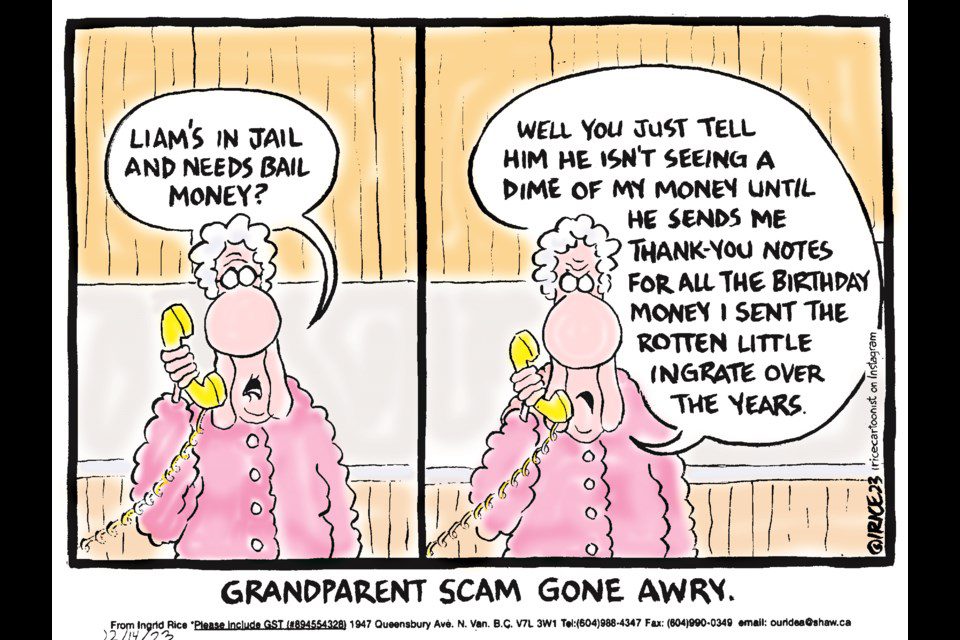
The number one way scammers operate is by telephone. Unscrupulous debt collectors can lie to you and tell you that a warrant has been issued for your arrest and that you will go to jail if you don’t pay. This is false. Debt is a civil matter, not a criminal matter. Unscrupulous debt collectors can lie to you and tell you that you have to pay the debts of your deceased loved one. This is false. The Estate pays debts of the deceased. If the Estate cannot pay the Estate is insolvent. Loved one’s are not liable.
Debt Settlement & Relief Scams
Debt settlement companies do not owe fiduciary duties to you the way that lawyers do. Companies can take fees from you when you have a debt-to-income ratio higher than 35% and a high probability of getting sued which will trigger the need for bankruptcy protection.
Stop Credit Card Fraud
with a Credit Freeze
I did this myself and recommend a credit freeze.
Below is a link for how to do it for all three bureaus. You can temporarily lift the freeze anytime you want to apply for credit. You can also put a fraud alert on all three Bureaus when you do the freeze.
To Always Be a Human Being First, and My Role Second. To First, Do No Harm, then to provide the best legal outcome, smoothest process, best value, and to make a positive difference in the life of every client.
Christopher S. Mulvaney’s Mantra:
May I be filled with loving kindness for all life. May I be safe from dangers within and without. May I be healthy in body, mind, socially, and spiritually. May I be at ease and happy, doing good in the world.
May You be filled with loving kindness for all life. May You be safe from dangers within and without. May You be healthy in body, mind, socially, and spiritually. May You be at ease and happy, doing good in the world.
I am an experienced solo estate planning, debtor bankruptcy, and real estate attorney. At my law firm in Bellevue, Washington between Eastgate and Factoria, I do things a little differently. I am passionate about helping people take control of their lives.
One of my primary practice areas is urgent (bankruptcy), and the other is important, but not urgent (estate planning). Not letting the urgent crowd out the important is key. I have made a choice to include the positive difference I make in the life of each client in how I calculate profit. This means I have higher job satisfaction, and happy clients who confidently give referrals.
My goal is that my work is transformative for people during a challenging time in their lives. At Mulvaney Law Offices, PLLC (MLO), you will not find a gatekeeper. There are no forgotten cases hiding on an associate’s cluttered desk. It’s just me, working with each one of my clients one-on-one to resolve their legal concerns as favorably as possible.
As your lawyer, I will personally handle every aspect of your case. My office is not a factory churning out thousands of filings per year, where each case matters little. You, and your case, matter to me. You can see what clients have said about me, and leave your own reviews at these links.
Mulvaney Law Offices, PLLC is located in Bellevue, Washington, representing estate planning & chapter 7 and chapter 13 bankruptcy, clients in all 39 Washington Counties.
Washington State residents can meet with me in Zoom/DocuSign from anywhere in the world, and I can notarize their electronic signatures because I am a remote online notary. Just email me an image of your photo ID.